

Comprehending the Goethe Certificate A1: A Comprehensive Guide
The Goethe Certificate A1 acts as an important stepping stone for people desiring find out the German language. Recognized worldwide, this certification not only examines a learner's efficiency at the fundamental level but also opens the door to further linguistic expedition. This post offers an introduction of the Goethe Certificate A1, its significance, preparation methods, and answers to frequently asked concerns.
What is the Goethe Certificate A1?
The Goethe Certificate A1 is a main qualification awarded by the Goethe-Institut, a globally recognized institution dedicated to promoting the German language and culture. It represents level A1 of the Common European Framework of Reference for Languages (CEFR), which categorizes language proficiency across 6 levels from A1 (beginner) to C2 (competent).
Purpose and Importance
The main functions of the Goethe Certificate A1 consist of:
Foundational Language Skills: The certificate confirms the capability to understand and utilize everyday expressions in German. It covers basic conversational skills, permitting individuals to communicate in simple everyday situations.
Inspiration to Learn: Achieving the A1 level can serve as an inspirational milestone, motivating learners to pursue further research studies in the German language.
Cultural Integration: For individuals preparing to move to German-speaking nations or engage more closely with German culture, the A1 certificate signifies a dedication to incorporating linguistically and socially.
What Does the A1 Exam Entail?
The Goethe Certificate A1 examination includes 4 sections, each created to examine different elements of language proficiency:
Listening Comprehension: This section checks the capability to comprehend spoken German in different contexts, such as conversation or directions, typically using audio clips.
Checking out Comprehension: Here, examinees check out brief texts, such as advertisements or simple posts, and address related concerns to demonstrate understanding.
Writing: Candidates are tasked with composing brief texts, like completing kinds or crafting simple messages, showcasing their ability to interact in composing.
Speaking: This useful section includes a conversation with a test supervisor or other examinee, where prospects react to concerns and take part in basic dialogue.
Structure of the Exam
The A1 assessment is generally structured as follows:
Period: The entire exam lasts about 70 minutes, divided amongst the four areas.
Score: Each section is scored individually, and candidates typically need a minimum score to pass.
Grading: Results are provided on a scale that reflects the level of efficiency obtained.
Preparing for the Goethe Certificate A1
Preparation is crucial for those wishing to clear the exam effectively. Here are some efficient strategies:
1. Register in Language Classes
Signing up with licensed language schools that offer courses particularly developed for the A1 level can provide structured knowing, access to resources, and certified trainers.
2. Use Online Resources
Utilizing online platforms can considerably enhance language abilities. Websites and applications that focus on German vocabulary, grammar, and conversational practice cater to beginners and provide versatility in knowing.
3. Experiment Native Speakers
Engaging in conversation with native German speakers assists improve speaking abilities and enhances cultural understanding. Language exchange programs, both in-person and online, are helpful for acquiring useful experience.
4. Take Mock Exams
Practicing with past exam documents or mock tests will familiarize candidates with the exam format and time restraints. This preparation can assist build confidence before the real exam.
5. Study Groups
Signing up with or forming study groups allows students to share understanding, talk about uncertainties, and practice speaking skills in an encouraging environment.
Goethe-Zertifikat online kaufen of Obtaining the Goethe Certificate A1
Obtaining the Goethe Certificate A1 uses numerous advantages, including:
Boosted Career Opportunities: For people looking for operate in German-speaking countries, this certificate can significantly enhance task prospects, especially in client service and hospitality functions.
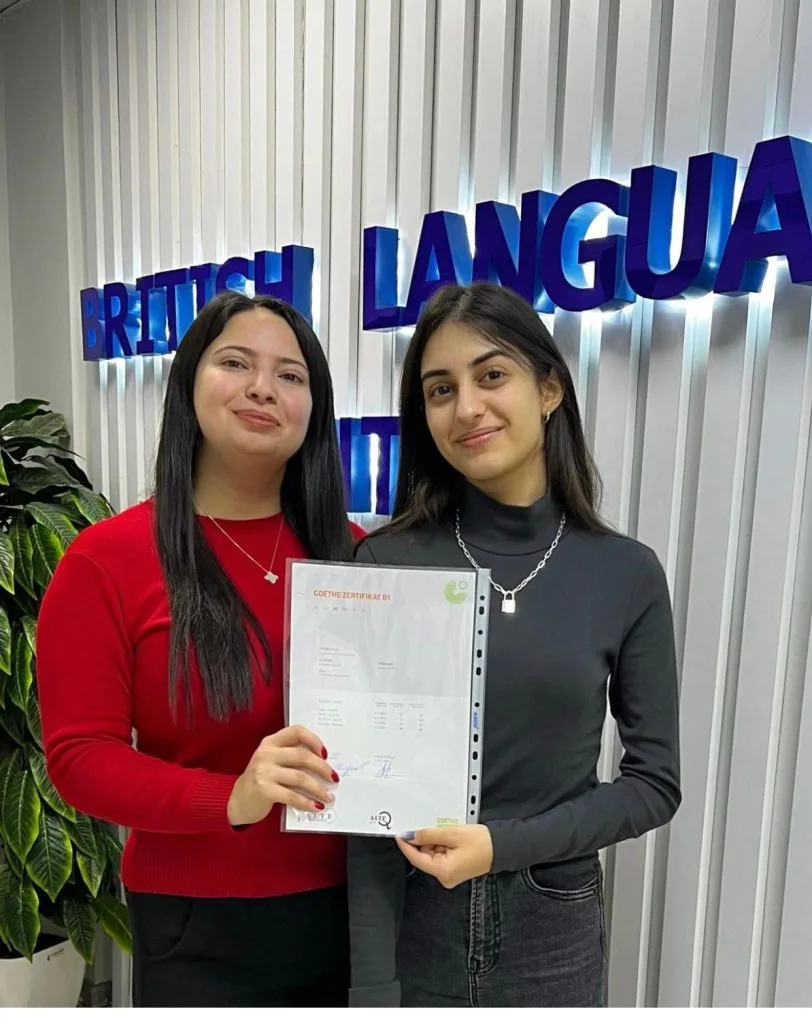
Academic Opportunities: Many academic programs in German-speaking regions require evidence of language proficiency for admission factors to consider, making the A1 certificate a valuable asset.
Cultural Engagement: Possessing a formal qualification improves an individual's ability to engage with German culture, literature, and society beyond simple fundamental interaction.
Frequently Asked Questions (FAQs).
Q1: How long does it generally take to reach A1-level proficiency?
A1-level efficiency is typically achievable in about 80 to 150 hours of focused research study, depending on the individual's language-learning capabilities and prior direct exposure to German.
Q2: Is the Goethe Certificate A1 recognized internationally?
Yes, the Goethe Certificate A1 is acknowledged by a range of institutions and companies around the world as an official certification of German language competency.
Q3: How can I register for the exam?
Registration for the Goethe Certificate A1 can be done through regional Goethe-Institut branches or through their main website. It is recommended to check particular eligibility requirements and schedules.
Q4: What resources can I utilize to get ready for the exam?
Recommended resources consist of textbooks focused on A1 learners, language apps like Duolingo or Babbel, and online platforms that use practice examinations and exercises tailored for A1.
Q5: Can I take the exam online?
As of now, most Goethe Certificate A1 exams are performed in person, however it's recommended to inspect the Goethe-Institut's main interactions for any updates concerning remote testing options.
Conclusion.
The Goethe Certificate A1 is an invaluable qualification for anyone starting their journey to discover the German language. It serves not just as a presentation of foundational language abilities however also as a passport to cultural combination and further academic opportunities. With proper preparation and commitment, accomplishing this certification can lead the way for a fulfilling experience in the German-speaking world.